Hot Dog Pairings: Drinks and Sides That Work Best
A good hot dog is simple on paper, sausage, bun, condiments, done. In practice, it is one of the easiest foods to throw out of balance. A snappy beef frank piled with mustard, relish, onions, and sauerkraut behaves very differently from a grilled brat-style dog with charred peppers, or a bacon-wrapped dog loaded with crema and jalapeños. The drink and side choices that work with each version matter more than people think.
That becomes obvious the first time you serve an aggressively salty, fully dressed hot dog with a sweet soda and a heavy potato salad on a hot day. The meal lands hard. Swap the drink for a crisp lager or tart lemonade, lighten the side, and suddenly the same dog feels lively instead of lumbering. Pairing is not about making a backyard staple fussy. It is about understanding salt, smoke, acid, heat, and richness well enough to make the whole plate feel intentional.
Over the years, the best pairings I have seen follow a simple truth: hot dogs need contrast as often as they need reinforcement. Salt wants acid. Smoke wants bitterness or carbonation. Rich toppings need freshness nearby. Spicy dogs need a drink that cools without deadening flavor. Once you start thinking that way, building a menu gets much easier.
Start with the style of hot dog, not the side table
People often choose sides and drinks first because those feel familiar. Chips, potato salad, canned beer, iced tea. The better approach is to look at the actual hot dog and ask what it is bringing to the plate.
A classic all-beef dog has a clean, savory profile with moderate fat and pronounced salt. It can handle sharp mustard, raw onion, pickle relish, kraut, or chili. A smoky grilled dog, especially one blistered over charcoal, brings bitterness and char. A pork-heavy dog or brat-style link has more fat and spice. A loaded regional dog, Chicago-style, Sonoran-style, chili dog, Seattle-style, behaves almost like a composed sandwich. Once toppings get involved, the drink and side should support that full picture.
This is why a pairing that feels perfect with one hot dog can feel wrong with another. Creamy mac and cheese beside a plain grilled dog can be comforting and satisfying. Next to a chili cheese dog, it turns the whole meal into a one-note wall of starch, fat, and dairy. Coleslaw beside a spicy dog can be excellent. Coleslaw beside a Chicago-style dog with tomato, pickle spear, relish, peppers, onions, and celery salt can feel redundant and watery.
The smartest pairings respect the dog’s strongest features instead of piling on more of the same.
What makes drinks work
For most hot dog pairings, the useful tools are carbonation, acidity, bitterness, moderate sweetness, and temperature. Those are the levers that refresh the palate between bites.
Carbonation is especially valuable because hot dogs tend to be salty and fatty. Bubbles scrub the palate and keep the meal from getting sticky or flat. That is why a plain sparkling water with lemon can be a better pairing than a still soft drink, especially outdoors in warm weather.
Acidity matters for a different reason. Vinegar, citrus, and fermented notes lift heavy flavors. If the hot dog carries cheese, mayo-based sauce, bacon, or chili, an acidic drink can restore balance. Lemonade, limeade, kombucha, dry cider, and many pilsners do this well.
Bitterness helps with char and sweetness. A grilled dog with caramelized onions or barbecue sauce often benefits from a drink with a little bitter edge, whether that comes from hops, tea tannin, or citrus peel. The trick is moderation. Very bitter IPAs can bulldoze a standard hot dog, especially one with delicate toppings.
Sweetness needs caution. There is a place for classic sodas, no question. An icy cola with a plain mustard dog can be nostalgic in the best way. But sweetness rises quickly when relish, ketchup, baked beans, and sweet tea all share the same plate. Too much sugar makes the meal feel heavy and oddly tiring after a few bites.
Temperature sounds obvious, but it is not trivial. A hot dog is best hot, salty, and aromatic. The drink should nearly always be very cold. That contrast sharpens the experience, especially at cookouts where the weather is doing half the work.
Beer, where most people start
Beer remains the easiest partner for a hot dog because carbonation, bitterness, and chill are built in. Still, style matters.
A crisp lager is the safest all-around choice. It cuts salt, stays out of the way, and works with nearly every standard dog. If I were serving a mixed crowd with several topping options, I would put a good pilsner or helles-style lager on ice and feel confident about it. It handles mustard, onion, relish, kraut, and even a modest chili topping without fighting anything.
Wheat beer works better than many people expect, particularly with spicy or bright toppings. Its softer body and mild citrus notes can be excellent with jalapeños, slaw, or even a Sonoran-style hot dog with beans, tomatoes, and crema. It is less convincing with heavy chili and cheese, where you usually want something crisper.
Amber lager or Vienna lager can bridge the gap for grilled dogs with deeper char. Those toasty malt notes echo the grill without becoming sweet. This is useful when the hot dog has caramelized onions or toasted buns and you want a pairing with a little more flavor than a plain lager.
Beer gets trickier with strongly smoked sausages or very spicy preparations. Many people reach for IPA, but heavy hop bitterness can overshadow the actual dog. In those cases, a dry cider or a simple lager often performs better. You want refreshment, not a flavor competition.
Wine can work, if you pick by texture
Wine and hot dogs do not sound like natural companions, but they can work well when the setting is more polished than casual. The key is to avoid overbuilt wines. Tannic reds tend to clash with salt and emphasize heat. Oaky whites can make the meal feel clumsy.
A chilled rosé is often the easiest answer. Dry rosé has enough acidity for rich toppings, enough fruit to soften spice, and enough structure to stand up to grilled meat. It works particularly well with pork or chicken sausages served in hot dog buns, where the flavors are a little more refined.
Dry sparkling wine is another smart option. It sounds extravagant until you remember what sparkling wine does best, cut through fat and reset the palate. With a premium beef hot dog, good mustard, and maybe a slaw side, it can be unexpectedly excellent.
If you want a still white, choose something sharp and clean. Sauvignon blanc and dry riesling can both work, especially when the toppings include kraut, pickles, peppers, or herbs. They are less convincing with chili cheese dogs, where beer and cider usually make more sense.
Red wine is hardest to recommend broadly. A light, chilled red can pair with grilled sausages, but for a standard hot dog it is rarely the strongest match.
Nonalcoholic drinks that actually pull their weight
There is a difference between a drink that merely accompanies a hot dog and one that improves it. Plenty of nonalcoholic choices do the second.
Iced tea is one of the best, especially if it is unsweetened or only lightly sweetened. Tea tannin gives structure, and citrus brightens the plate. It works beautifully with smoky grilled dogs and anything with slaw. Sweet tea can work too, but then the rest of the meal should stay less sugary.
Lemonade is almost always useful. It gives acid, coldness, and enough sweetness to feel classic without becoming syrupy. It is particularly good with spicy dogs or rich toppings like cheese sauce and bacon.
Sparkling water with lime is underrated. At a casual cookout, it can seem too plain until you taste https://collinqldx752.stonefielddigest.com/posts/the-best-hot-dog-recipes-for-beginner-cooks how effectively it clears salt and fat from the palate. This is the drink I reach for when the hot dog is heavily dressed and the side dishes are richer than usual.
Classic sodas deserve their place, but specific matches matter. Cola loves a straightforward grilled hot dog with mustard and maybe onions. Root beer can be pleasant with smoky, charred dogs, though its sweetness limits what else should be on the plate. Orange soda or fruit punch usually tips the meal too far into sugar unless the rest of the menu stays austere.
The side dishes that earn their spot
The best hot dog sides either refresh, crunch, or provide a contrast in temperature and texture. Trouble starts when every side is soft, creamy, and heavy. A hot dog meal needs some snap somewhere, whether from slaw, pickles, crisp fries, or watermelon.
Potato salad is a classic for good reason, but it is not one thing. A mayo-heavy potato salad with eggs and sweet relish pairs best with a plain or mildly dressed hot dog. A vinegar-based potato salad is more flexible and often better with grilled or smoky dogs because it adds acid instead of more richness. German-style potato salad, served warm with bacon and vinegar, can be excellent with brat-style dogs, though it starts to feel redundant with bacon-wrapped versions.
Coleslaw is one of the most useful sides in the category. Its crunch and acidity are exactly what many hot dogs need. A vinegar slaw works especially well with chili dogs and barbecue-influenced toppings. Creamy slaw can cool spicy dogs, but if the dog already carries mayo or crema, it may be too much of the same texture.
French fries are satisfying but need judgment. Thin, crisp fries work better than thick, soft ones because they add crunch instead of more bulk. If the hot dog is loaded, keep the fries plain or lightly salted. Cheese fries next to a chili cheese dog is the kind of combination that sounds fun and then becomes exhausting halfway through.
Baked beans are beloved at cookouts, yet they are one of the easiest sides to misuse. Their sweetness and softness can weigh down a hot dog plate fast. They work best with a simple grilled dog and a tangy topping profile, not with relish, ketchup, or sweet buns. Smoke and molasses can be pleasant, but only if some acidity appears elsewhere.
Macaroni salad and pasta salad occupy a similar space. They are fine in moderation, but they rarely improve a richly topped hot dog. A pasta salad with vinaigrette, herbs, and crunchy vegetables is more effective than the heavy deli-counter versions loaded with mayo.
Some of the strongest side dishes are also the least complicated. A cold dill pickle spear beside a hot dog does more useful work than a bowl of bland pasta salad. Watermelon, corn on the cob with lime and salt, cucumber salad, and kettle chips all understand the assignment. They refresh or crunch, then get out of the way.
Pairings that match specific hot dog styles
Once toppings become specific, pairings come into focus quickly.
A plain grilled all-beef hot dog with mustard and onions wants little more than a lager and chips or a simple potato salad. This is the baseline American cookout pairing because the flavors stay in proportion. Nothing competes, and nothing drags.
A Chicago-style hot dog is already a full composition. Tomato, pickle spear, neon relish, sport peppers, onion, mustard, celery salt. It needs a restrained side and a clean drink. A crisp lager, sparkling water, or dry lemonade works. For sides, think kettle chips or a plain dill pickle. Rich salads only clutter the meal.
A chili dog asks for acidity and temperature contrast. Beer works well here, especially pilsner or lager. Lemonade can also be surprisingly good. Side-wise, slaw is more useful than fries, and pickled vegetables often outperform both.
A bacon-wrapped or Sonoran-style hot dog, with beans, jalapeño sauce, tomato, onion, and crema, likes bright drinks. Mexican lager, lime-forward sparkling water, or tart agua fresca all make sense. Corn salad, grilled corn, or a cabbage slaw carry the same regional logic.
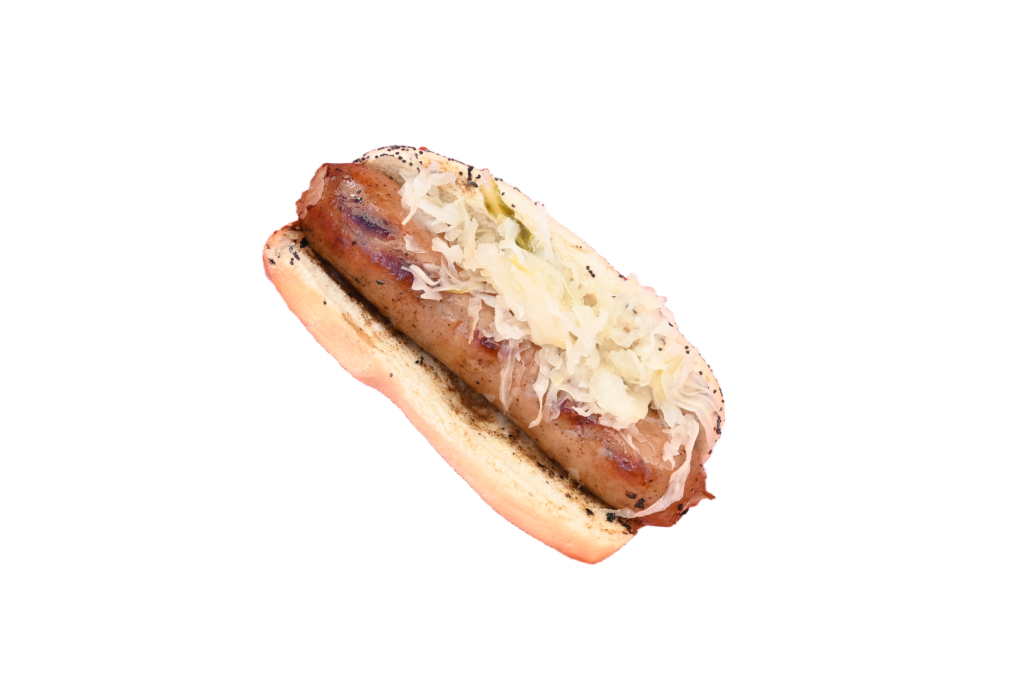
A brat-style dog with sauerkraut and mustard leans toward beer almost automatically, but cider deserves a place too. Dry cider and kraut are natural friends because both bring acid that keeps the sausage from feeling dense.
When regional cues can help
One of the easiest ways to build strong pairings is to follow the food’s regional accent. Not rigidly, but attentively.
A New York style hot dog with deli mustard, onions, and sauerkraut sits comfortably with lager, cream soda, or a sharp pickle on the side. The deli logic holds. A Southern-leaning chili slaw dog sits naturally beside sweet tea, slaw, and maybe baked beans, though I would keep at least one component tangy to offset the sweetness. A Southwest-influenced dog with jalapeños, cotija, avocado, and lime wants citrus in the drink and freshness in the sides.
These cues matter because cuisines tend to solve their own balance problems over time. If the hot dog borrows flavors from a regional tradition, the traditional drinks and accompaniments often explain what the meal needs.
Building a full menu without overloading the table
At cookouts, the pairing challenge is less about one hot dog and more about a spread. That is where restraint pays off. If you offer three rich sides, two sweet drinks, and multiple topping sauces, people build plates that tire them out quickly.
A better menu usually includes one rich side, one fresh side, one crunchy option, and drinks with at least one tart or sparkling choice. Think of it as texture insurance.
Here is a combination I have seen work repeatedly for a mixed crowd:
- all-beef hot dogs with mustard, onions, relish, kraut, and jalapeños
- vinegar slaw
- kettle chips
- watermelon wedges
- lager, sparkling water with lime, and lemonade
That menu works because every element has a role. The slaw cuts richness, the chips bring crunch, the watermelon cools the palate, and the drinks give people different paths to refreshment. No single item is trying to do everything.
For a richer menu built around chili dogs, I would tighten the rest of the table. Slaw, pickles, and cold drinks beat mac and cheese, beans, and dessert-like beverages. The more loaded the hot dog, the simpler the supporting cast should be.
Common pairing mistakes
Most disappointing hot dog meals fail for predictable reasons. They are not under-seasoned or badly cooked. They are unbalanced.
The first mistake is stacking sweetness. Sweet relish, ketchup, baked beans, sweet tea, and watermelon can sound festive, but together they flatten the meal. A hot dog needs some tartness or bitterness in that mix.
The second mistake is doubling down on richness. Chili cheese dog, mayo potato salad, macaroni salad, and creamy slaw might look generous on a buffet table, but by the third bite the palate has nowhere to go. One creamy element is usually enough.
The third mistake is ignoring texture. Soft bun, soft dog, soft beans, soft salad, soft dessert. Crunch is not decorative here. It is structural. Chips, pickles, raw onions, or a crisp slaw can rescue the whole plate.
The fourth mistake is serving warm drinks or weak cold ones. A hot dog meal thrives on sharp temperature contrast. Ice matters more than people admit.
A few pairings that consistently deliver
When people ask for safe combinations that rarely miss, these are the ones I return to:
- grilled beef hot dog with mustard and onions, pilsner, kettle chips
- chili dog, tart lemonade, vinegar slaw
- Chicago-style hot dog, sparkling water with lime, plain chips
- brat-style dog with kraut, dry cider, warm potato salad with vinegar
- bacon-wrapped hot dog with jalapeño and crema, Mexican lager, grilled corn
None of these combinations is revolutionary. That is part of the point. The strongest pairings usually depend on small corrections, more acid here, less sugar there, a colder drink, a crisper side, rather than showy ingredients.
The practical rule that saves most menus
If you are ever unsure what to serve with a hot dog, aim for one cold fizzy drink, one tart drink, one crunchy side, and one fresh side. Then let the hot dog provide the richness and personality. That framework handles most situations, from a simple family lunch to a larger cookout with a topping bar.
People remember hot dog meals less for novelty than for how easy they are to keep eating. The best pairings leave you ready for another bite. They brighten, cool, and sharpen. They keep the sausage tasting meaty, the toppings distinct, and the whole plate lighter on its feet than it has any right to be.
That is why the strongest hot dog pairings are often the least flashy. A cold lager. A tart lemonade. A pile of crisp slaw. A handful of good chips. A pickle spear straight from the jar. Get those details right, and even a familiar hot dog tastes better, more deliberate, and much more satisfying.
Under Construction Hot Dogs
1225 W U.S. Hwy 50, Pueblo, CO 81008
FAQ About hot dog
What are different types of hotdogs?
Under Construction Hot Dogs offers a classic all-beef hot dog, a quarter-pound Jumbo Dog, a Chili Dog, and a Chicago Dog, along with brats and a Spicy Link.
What does a chili dog have on it?
Our Chili Dog pairs a Vienna all-beef hot dog with chili, shredded cheddar cheese, and finely diced onions.
What is in a traditional Chicago dog?
Our Chicago Dog comes on a steamed poppy seed bun with yellow mustard, bright green relish, onions, tomato wedges, a pickle spear, sport peppers, and celery salt.